
Skincare is entering a new phase—one that focuses less on surface-level correction and more on long-term skin health. As we move into 2026, regenerative treatments are emerging as one of the most important shifts in aesthetic medicine.
Instead of simply improving how skin looks, regenerative therapies work at a cellular level, supporting the skin’s natural ability to heal, repair, and strengthen itself over time. This approach is changing how dermatologists think about ageing, skin damage, and recovery.
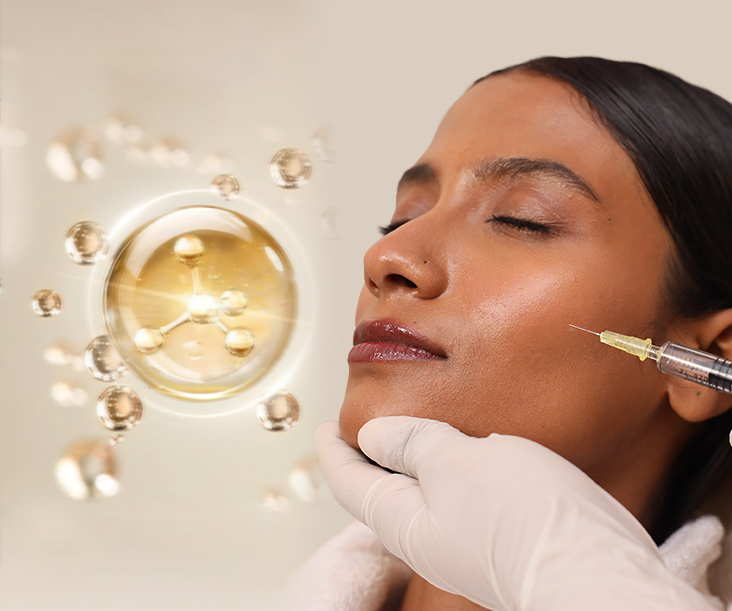
What Are Regenerative Treatments in Skincare?
Regenerative treatments are designed to activate the body’s own repair mechanisms. Rather than forcing change, they stimulate natural processes such as collagen production, tissue repair, and cellular renewal.
These treatments help:
- Improve skin quality and resilience
- Support faster healing after procedures
- Reduce inflammation and downtime
- Deliver results that age naturally over time
This marks a clear shift away from instant fixes toward sustainable skin health.
Key Regenerative Innovations to Watch in 2026
Exosomes
Exosomes are messengers that help cells communicate and repair tissue. In aesthetic medicine, they are being studied for their role in supporting healing, reducing inflammation, and improving post-procedure recovery. Their strength lies in complementing existing treatments rather than replacing them.
NCFT (Nano Cell Fusion Technology)
NCFT enhances the delivery of active compounds into deeper layers of the skin, supporting cellular repair and strengthening the skin barrier. This allows treatments to work more efficiently and consistently over time.
PDRN (Polydeoxyribonucleotide)
Derived from DNA fragments, PDRN supports tissue regeneration and repair. It has been widely used to improve skin texture, elasticity, and recovery—especially in skin affected by ageing or stress.
Why Regenerative Treatments Work Better When Combined
Regenerative treatments are most effective when used alongside established procedures such as radiofrequency-based treatments, microneedling, and PRP or GFC therapies.
This combined approach allows the skin to heal more efficiently, improves collagen stimulation, reduces post-treatment sensitivity, and enhances the longevity of results. Rather than treating the skin in isolation, regenerative care supports recovery from within.
The Importance of Personalised Treatment Plans
Regenerative treatments are not one-size-fits-all. Their effectiveness depends on factors such as skin condition, age, lifestyle, and treatment goals.
At Esmer Skin & Wellness, regenerative therapies are thoughtfully integrated into personalised treatment plans to ensure the skin is supported—not overstimulated—allowing for balanced, long-term results.
Why 2026 Marks a Turning Point
As research advances and technologies evolve, regenerative treatments are becoming more precise, reliable, and results-driven. Their ability to support healing, optimise outcomes, and strengthen skin health makes them one of the most important developments to watch in 2026.
More than a trend, regenerative skincare represents a mindset shift—one that prioritises science, patience, and longevity over quick fixes.