



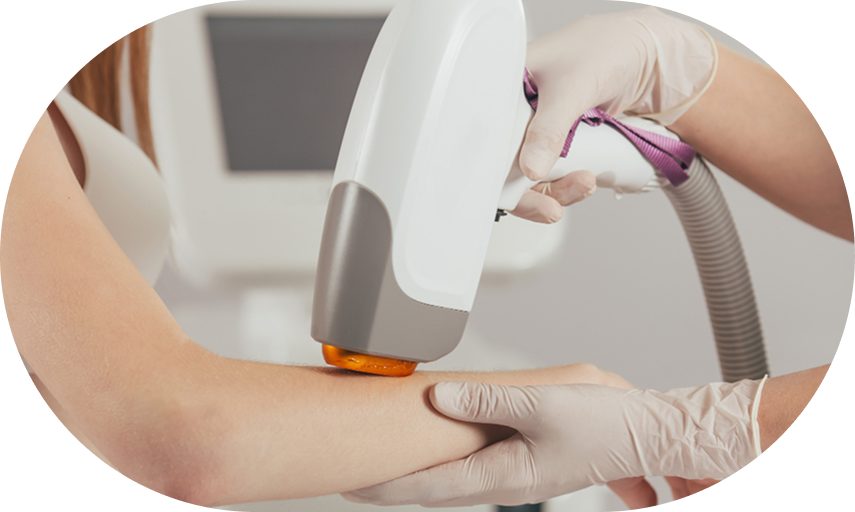

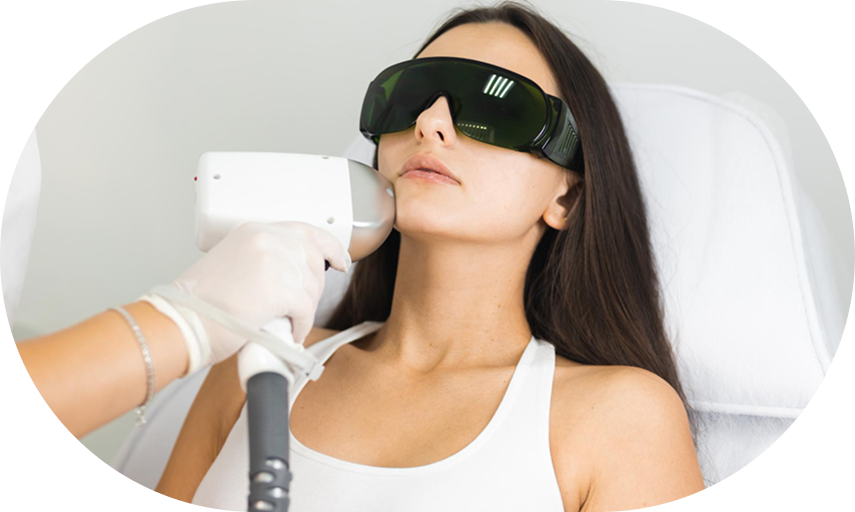


Active Pimples & Breakouts
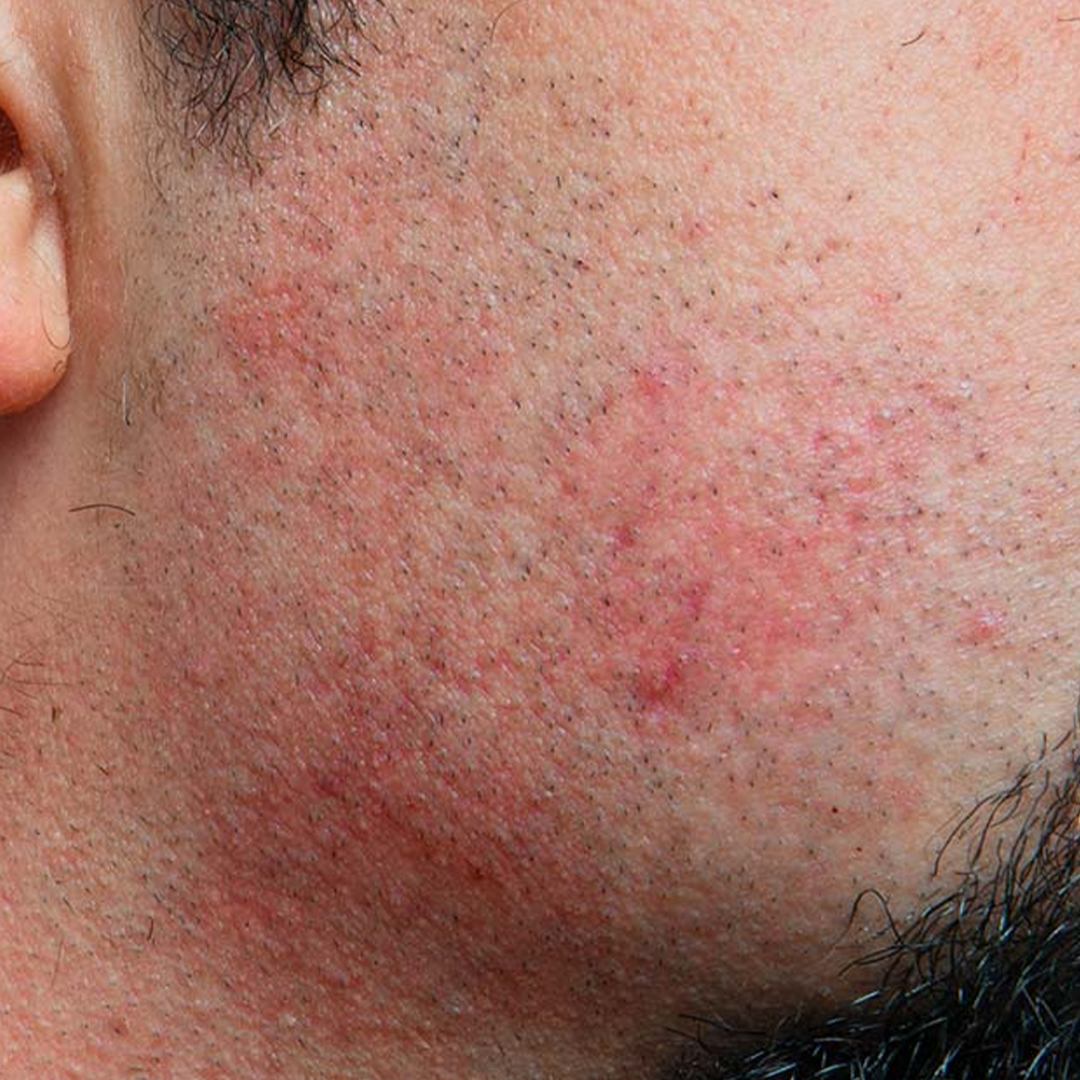
Blackheads & Whiteheads

Excess Oil & Congested Skin

Hormonal & Recurring Acne
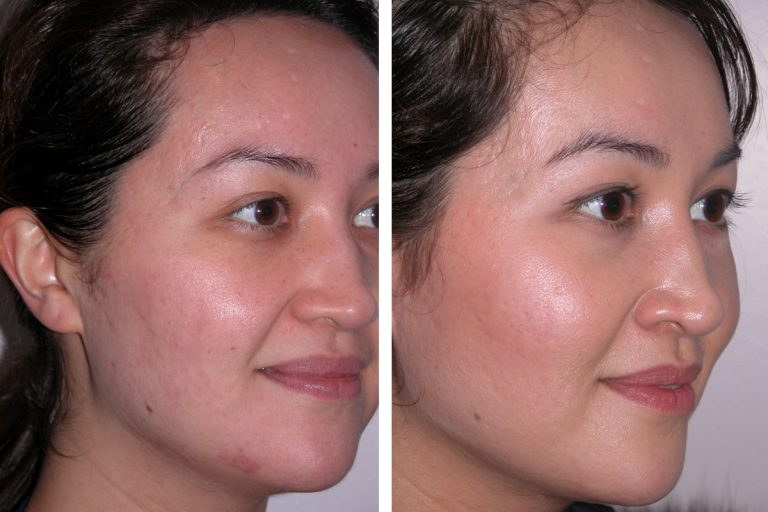

At ESMER, our approach to acne treatment goes beyond simply treating individual pimples. We assess your skin, the pattern and severity of your acne, possible triggers, and your skin’s overall condition to create a personalised treatment plan.
Whether you are dealing with occasional breakouts, persistent acne, hormonal acne, clogged pores, or acne-prone skin, our dermatology-led approach is designed to help manage active acne and support healthier-looking skin.
There is no single best acne treatment for everyone. Treatment depends on your acne type, severity, skin type, age, triggers, and previous treatment history. After an assessment, our dermatology team can recommend the most appropriate approach.
Acne can often be effectively managed, but it may recur, particularly when underlying triggers continue. A personalised treatment and maintenance plan can help control breakouts and reduce the likelihood of persistent acne-related problems.
The number of sessions varies according to the type and severity of acne and the treatment selected. Some patients may benefit from a short treatment course, while others may require ongoing maintenance.
Active acne and acne scars are different concerns. Once active acne is controlled, specific scar treatments may be considered depending on the type and severity of scarring.
It is generally best to avoid squeezing or picking pimples. Manipulating acne lesions can increase inflammation and may increase the risk of marks and scarring.

Our expert dermatologists and advanced aesthetic treatments are designed to give you visible, long-lasting results in a safe and comfortable environment.